| Tên sản phẩm | MÃ SỐ | Số CAS | Thuộc tính & tính năng sản phẩm |
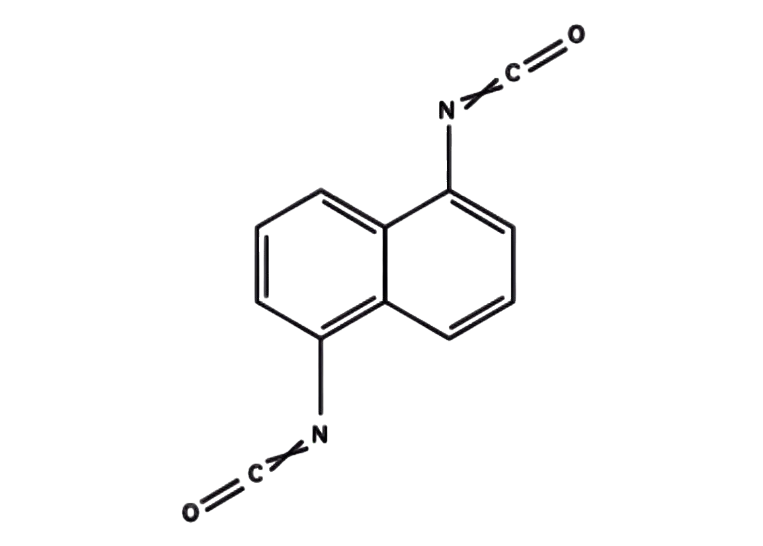
| 1,5-Naphtalen Diisocyanat | NDI | 3173-72-6 | 1,5-naphthalene diisocyanate (NDI) là một loại polyurethane (PU) được tổng hợp bởi diisocyanate. Polyurethane gốc NDI có khả năng chống mài mòn cao, chịu nhiệt cao, chống ăn mòn và đặc tính động tuyệt vời |
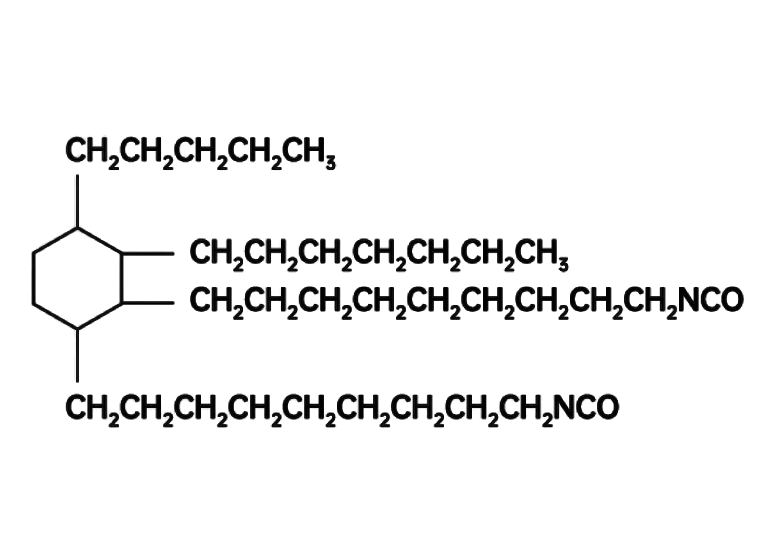
| Dimeryl Diisocyanate | DDI | 68239-06-5 | DDI là một diisocyanate béo độc đáo. Nó là một hợp chất chuỗi dài với khung axit béo dimer 36 carbon. Nó có nhiều ưu điểm như không ố vàng, độc tính thấp, dễ sử dụng, hòa tan trong hầu hết các dung môi, thời gian phản ứng có thể kiểm soát được và độ nhạy nước thấp. có thể được sử dụng rộng rãi trong hoàn thiện vải, chất đàn hồi, chất kết dính và chất bịt kín, lớp phủ, mực và các lĩnh vực quân sự và dân sự khác.
* Sản xuất tùy chỉnh có thể được vận hành. |
| Tetramethylxylylene Diisocyanate | TMXDI | 2778-42-9 | TMXDI có cấu trúc carbon diisocyanate bậc ba độc đáo. So với isocyanate carbon sơ cấp/thứ cấp thông thường, nó mang lại những ưu điểm vượt trội bao gồm kiểm soát phản ứng chính xác, độ giãn dài sản phẩm cao, khả năng chịu nhiệt và thời tiết tuyệt vời cũng như độc tính thấp.
Với khả năng phản ứng cực thấp đối với axit cacboxylic và tự ngưng tụ, TMXDI tạo ra các chất chuẩn bị có độ nhớt thấp mà không cần pha loãng dung môi—làm cho nó trở thành lựa chọn lý tưởng cho các hệ thống polyurethane gốc nước hoàn toàn.
Được sử dụng rộng rãi trong các lớp phủ đặc biệt, polyurethan gốc nước, hoàn thiện gỗ, chất đàn hồi nhựa nhiệt dẻo, chất bịt kín, chất kết dính và các sản phẩm RIM. |
| 1-(1-Isocyanato-1-Metyletyl)-3-Isopropenylbenzen | TMI | 2094-99-7 | TMI có cả nhóm NCO phản ứng và nhóm isopropenyl, cung cấp chức năng kép cho quá trình đồng trùng hợp vinyl và liên kết ngang NCO. Nhóm NCO được bảo vệ về mặt không gian bởi hai nhóm methyl liền kề, đảm bảo độ ổn định tương đối trong nước và khả năng chống thủy phân sớm.
Bằng cách kết hợp NCO vào khung nhựa acrylic, liên kết ngang với các hợp chất amin xảy ra trong quá trình hình thành màng, tăng cường đáng kể hiệu suất lớp phủ.
Được sử dụng rộng rãi trong sửa đổi mủ cao su, lớp phủ, chất kết dính, nhựa chịu nhiệt một thành phần, sửa đổi bề mặt nhựa, bọt và chất đàn hồi. |
| cyclohex-1,4-ylene diisocyanate | CHDI | 2556-36-7 | Chất đàn hồi polyurethane dựa trên CHDI có khả năng đàn hồi, độ trong suốt, khả năng chống ố vàng và thời tiết tuyệt vời, v.v.
CHDI chủ yếu được sử dụng để sản xuất chất đàn hồi polyurethane, chất kết dính, lớp phủ, v.v.
CHDI được sử dụng rộng rãi trong lĩnh vực ô tô, sinh hoạt gia đình, vận tải, v.v. |
| Trans-1,4-Cyclohexane Diisocyanate | Xuyên CHDI | 7517-76-2 | Trans-CHDI có cấu trúc phân tử nhỏ gọn và đối xứng, tạo thành các phân đoạn cứng có trật tự tốt trong polyurethan. Điều này mang lại các đặc tính cơ học động học ở nhiệt độ cao đặc biệt (tích tụ nhiệt độ thấp), độ ổn định ánh sáng và màu sắc, khả năng kháng dung môi, khả năng chống mài mòn và độ ổn định thủy phân. Nhiệt độ làm mềm đạt tới 270°C, với nhiệt độ chuyển hóa thủy tinh thấp tới khoảng -80°C.
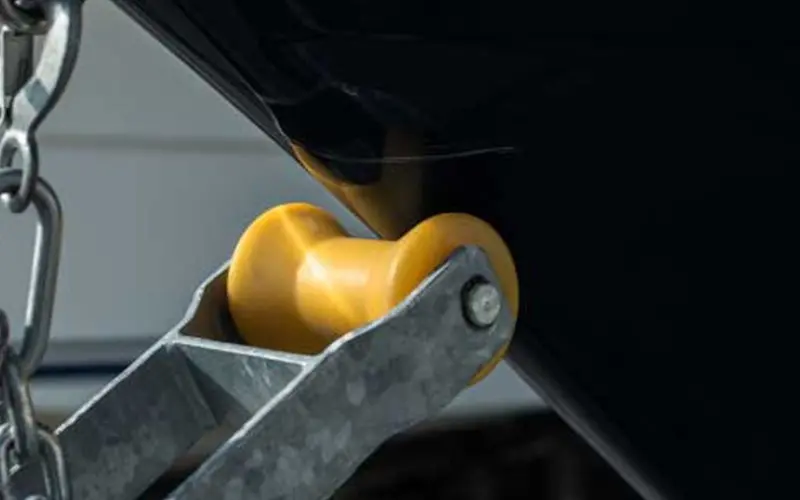
Lý tưởng cho môi trường ẩm ướt, nhiều dầu và có độ mài mòn cao. Được sử dụng rộng rãi trong chất đàn hồi polyurethane y tế (với hiệu suất động và khả năng ổn định sinh học), lốp đặc, tấm che lính cứu hỏa chịu nhiệt độ cao, khối dừng ô tô, cũng như con dấu, băng tải, ống mềm, lớp phủ và màng |
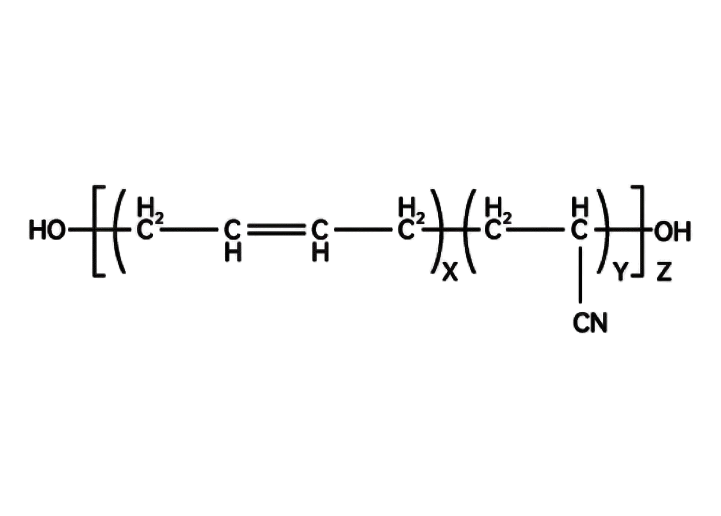
| Polybutadiene kết thúc bằng hydroxyl | HTPB | 69102-90-5 | Thuộc tính chính:
1. Kỵ nước với độ thấm ẩm thấp 2. Nhóm hydroxyl phản ứng để đóng rắn linh hoạt 3. Nhiệt độ chuyển hóa thủy tinh cực thấp (≈ -80°C) 4. Khả năng thủy phân, axit / kiềm và nhiệt độ thấp tuyệt vời 5. Khả năng chống mài mòn và cách điện vượt trội 6. Độ bám dính mạnh mẽ trên các chất nền đa dạng 7. Chất lỏng nhớt có màu sắc thấp, độ trong cao
Ứng dụng chính: - Lớp phủ, chất kết dính, chất bịt kín, bầu và đóng gói - Chất đẩy - Chất đàn hồi polyurethane (PU) - Vật liệu cách điện - Sản phẩm cao su - Biến đổi polyme vân vân.
* Sản lượng cao, nguồn cung ổn định, chất lượng tiết kiệm chi phí, Có thể vận hành sản xuất theo yêu cầu. |
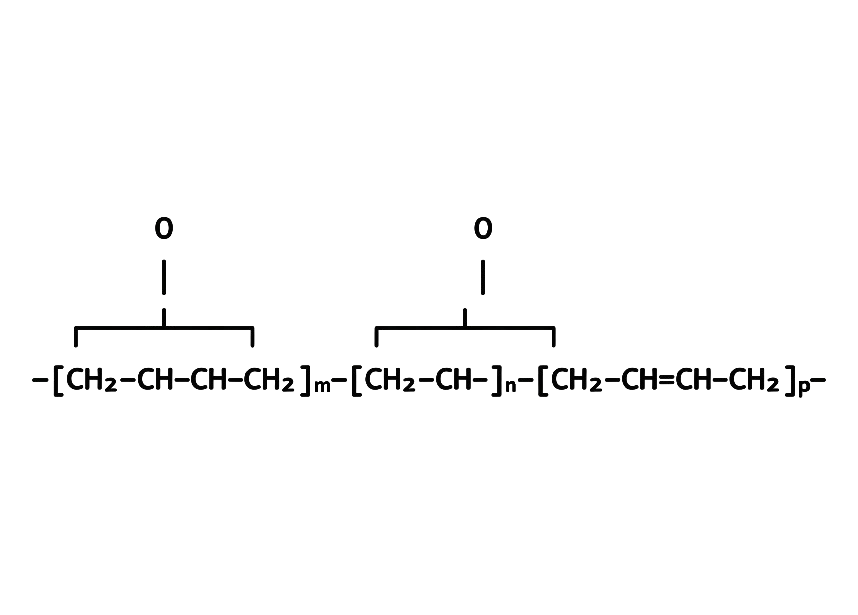
| Polybutadien kết thúc bằng hydroxyl bị oxy hóa | EHTPB | 71342-74-0 | EHTPB đưa các nhóm epoxy vào khung HTPB, tăng cường đáng kể tính phân cực của phân tử trong khi vẫn giữ được các chức năng liên kết đôi và hydroxyl phản ứng. Nó có khả năng chống dầu và chống lão hóa tuyệt vời, độ trong suốt cao, độ nhớt thấp và hiệu suất vượt trội ở nhiệt độ thấp.
Cải thiện đáng kể các tính chất cơ học, độ bền bám dính và khả năng chịu nhiệt của vật liệu polyurethane—làm cho nó trở thành thành phần chính cho chất kết dính, chất bịt kín, lớp phủ và chất đàn hồi. Thể hiện khả năng tương thích tuyệt vời với nhựa epoxy, tính kỵ nước tốt, khả năng kháng axit/kiềm và độ bám dính mạnh với các chất nền khác nhau.
Khi được sử dụng làm chất tăng cường cho hệ thống epoxy, EHTPB không chỉ tăng cường đáng kể độ bền va đập mà còn mang lại các đặc tính điện vượt trội cho các sản phẩm được xử lý.
* Sản xuất tùy chỉnh có thể được vận hành. |
| Cao su Nitrile Butadiene kết thúc bằng carboxy | CTBN | 25265-19-4 | CTBN là một loại cao su nitrile lỏng có các nhóm chức cacboxyl ở cả hai đầu của chuỗi phân tử. Các nhóm carboxyl cuối cùng có thể phản ứng với nhựa epoxy, mang lại hiệu quả làm cứng hiệu quả cho nhựa epoxy.
CTBN có thể được sử dụng như:
- Chất kết dính, liên kết, bịt kín, phun, làm bầu (các ứng dụng trong ngành hàng không vũ trụ, ô tô, điện/điện tử, công nghiệp, hàng hải và xây dựng...)
- Lớp phủ (dung dịch, bột, hệ nước)
*Có thể vận hành sản xuất theo yêu cầu. |
| Cao su Nitrile Butadiene kết thúc bằng hydroxy | HTBN | 9003-18-3 | HTBN là cao su nitrile lỏng có nhóm chức hydroxyl ở cả hai đầu chuỗi. Nó vẫn giữ được đặc tính chống dầu, nhiệt và mài mòn tuyệt vời của cao su nitrile, đồng thời mang lại khả năng phản ứng hiệu quả với chất kết mạng isocyanate và khả năng xử lý tốt với độ bám dính mạnh.
Chủ yếu được sử dụng trong chất kết dính, lớp phủ và độ cứng của nhựa—tăng cường đáng kể độ dẻo dai, độ bám dính, độ bền và khả năng chịu dầu/nhiệt của vật liệu composite.
* Sản xuất tùy chỉnh có thể được vận hành. |
| Cao su Nitrile kết thúc bằng amin | ATBN | 68683-29-4 | ATBN là cao su nitrile lỏng có nhóm chức amin ở cả hai đầu chuỗi. Nó có thể được xử lý bằng chất kết mạng isocyanate hoặc phản ứng với các nhóm epoxy. Thể hiện khả năng chống dầu, nhiệt và mài mòn tuyệt vời với độ bám dính mạnh. Khi được sử dụng để làm cứng nhựa epoxy, nó làm giảm nhiệt độ đông đặc và đóng rắn một cách hiệu quả.
Chủ yếu được sử dụng để tăng cường độ cứng của nhựa epoxy—tăng cường đáng kể độ bền của composite, độ bền cắt và độ bền của lớp vỏ. Cũng có thể được sử dụng một mình làm chất kết dính và chất bịt kín.
* Sản xuất tùy chỉnh có thể được vận hành. |
| Carboxyl kết thúc polybutadien | CTPB | 586976-24-1 | CTPB là một loại cao su polybutadiene lỏng với các nhóm chức cacboxyl ở cả hai đầu của chuỗi phân tử. Các nhóm carboxyl cuối cùng có thể phản ứng với nhựa epoxy, mang lại hiệu quả làm cứng hiệu quả cho nhựa epoxy. So với CTBN, CTPB có độ nhớt thấp hơn cũng như tính linh hoạt và hiệu suất ở nhiệt độ thấp tốt hơn.
* Sản xuất tùy chỉnh có thể được vận hành |
| Polybutadien lỏng | LPB | 9003-17-2 | Một loại nhựa hydrocarbon có khả năng phản ứng cao với khả năng kỵ nước tuyệt vời, đặc tính điện môi vượt trội và khả năng xử lý vượt trội, khiến nó trở thành lựa chọn lý tưởng cho các lớp mạ đồng 5G.
Được ứng dụng rộng rãi trong bảng mạch, lớp phủ, gioăng cao su, con lăn, v.v. |
| Cao su Butadiene Styrene lỏng | LSBR | 9003-55-8 | LSBR là chất đồng trùng hợp có trọng lượng phân tử thấp của butadien và styren (2.000–10.000MW), mang lại khả năng cách điện tuyệt vời và các đặc tính vật lý mạnh mẽ.
Được sử dụng rộng rãi trong bảng mạch, chất kết dính, chất bịt kín, v.v. |
| Polybutadien lỏng monohydroxy | LPBOH | | LPBOH là một sản phẩm polybutadiene có nhóm hydroxyl ở một đầu, có thể đạt được khả năng xử lý kép của nhóm hydroxyl và vinyl.
Nó có khả năng phản ứng cao, tính kỵ nước và tính chất điện môi tuyệt vời và hiệu suất xử lý tốt. |
| Chất đồng trùng hợp ngẫu nhiên Butadiene-styrene kết thúc bằng hydroxy | HTBS | | HTBS là chất đồng trùng hợp lỏng của butadien và styren chứa nhóm chức hydroxyl ở cuối chuỗi phân tử.
Nó có khả năng chịu nhiệt tuyệt vời, chống mài mòn, chống lão hóa, hiệu suất xử lý tốt, sinh nhiệt thấp và độ linh hoạt ở nhiệt độ thấp.
Nó có thể được sử dụng với cao su tự nhiên và cao su tổng hợp, và cũng có thể được sử dụng một mình để đổ lốp polyurethane, keo dán bầu, chất kết dính, v.v. |
| Polybutadien bị oxy hóa | EPB | 129288-65-9 | EPB đưa các nhóm epoxy vào khung polybutadiene, mang lại khả năng kháng dầu, chống lão hóa, độ trong suốt tốt và hiệu suất tuyệt vời ở nhiệt độ thấp.
Các nhóm epoxy đóng vai trò là vị trí phản ứng để đóng rắn bằng isocyanate hoặc chất kết mạng epoxy, tăng cường đáng kể độ bền cơ học, độ bám dính và khả năng chịu nhiệt trong hệ thống polyurethane. Bản chất phân cực cũng cải thiện khả năng liên kết với cả chất nền kim loại và phi kim loại.
Được sử dụng rộng rãi trong chất kết dính, chất bịt kín, chất phủ, chất làm cứng epoxy và chất đàn hồi PU |
| Trọng lượng phân tử trung bình PET Polyether | PET Polyether | | Chất lỏng ở nhiệt độ phòng – dễ chế biến. Tg thấp tới -80°C (–112°F) – hiệu suất vượt trội ở nhiệt độ thấp. Đặc tính cơ học của chất đàn hồi sánh ngang với PTMG, với độ linh hoạt vượt trội trong phạm vi nhiệt độ rộng. Sự thay thế lý tưởng cho PTMG bằng da và mực nhân tạo linh hoạt. Cũng được sử dụng rộng rãi trong chất kết dính, chất phủ và chất đàn hồi PU ở nhiệt độ thấp. |

 English
 English
  Spanish
  Russian
  Arabic
  French
  German
  Portuguese
  Turkish
  Dutch
Dutch  Polish
  Korean
  Vietnamese
  Indonesian